Did you know that the global market for tokenized assets is projected to reach $16.1 trillion by 2030? (Source: Statista). This staggering figure highlights a fundamental shift in how businesses, particularly in the burgeoning Web3 space, are choosing to raise capital and structure their operations. For years, equity has been the undisputed king of startup funding. Investors buy shares, gaining ownership and a stake in future profits. But a new paradigm is emerging, with an increasing number of Web3 startups opting for tokens instead. But why this dramatic departure from the tried-and-true? Let's dive deep into the reasons behind this fascinating trend.
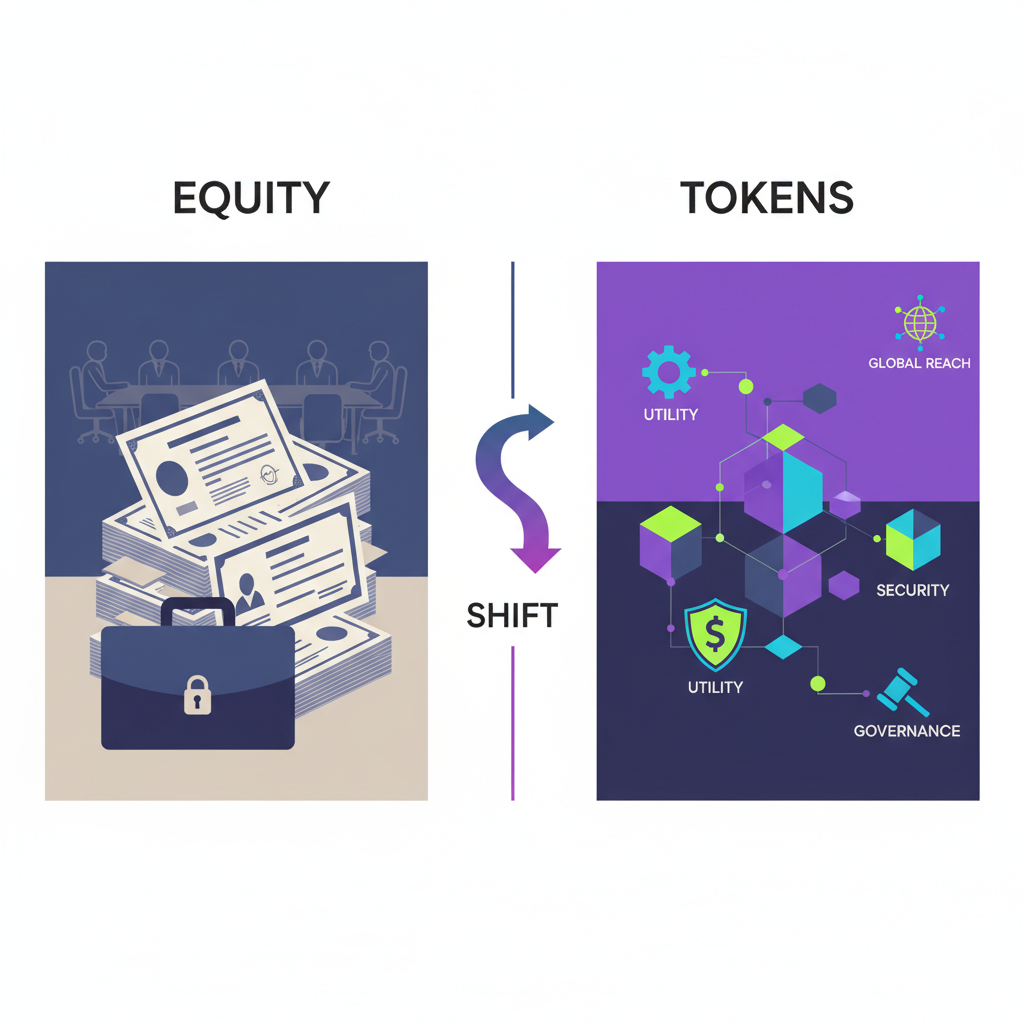
Understanding the Fundamentals: Equity vs. Tokens
Before we explore the 'why,' it's crucial to understand what we're comparing.
Traditional Equity
When a startup issues equity, it's essentially selling ownership stakes in the company. Investors who buy these shares become shareholders, entitled to certain rights, such as voting on company decisions and receiving a portion of profits through dividends. This model is well-established, regulated, and understood by both entrepreneurs and investors.
Web3 Tokens
Tokens, in the context of Web3, are far more versatile. They can represent a variety of things:
- Utility Tokens: These grant holders access to a specific product or service within the Web3 ecosystem. Think of them as digital coupons or access passes.
- Security Tokens: These are digital representations of traditional securities, like stocks or bonds, and are subject to securities regulations. They offer ownership rights similar to equity.
- Governance Tokens: These give holders the right to vote on proposals related to the development and direction of a decentralized project.
- Non-Fungible Tokens (NFTs): While often associated with digital art, NFTs can also represent unique assets or ownership of specific digital items.
The appeal of tokens lies in their flexibility and their ability to be programmed, transferred, and managed on a blockchain. This underlying technology offers transparency, security, and decentralization, which are core tenets of Web3.
The Allure of Tokens for Web3 Startups
Several compelling factors are driving Web3 startups towards token-based funding models. It's not just a fad; it's a strategic choice rooted in the very nature of Web3 and the opportunities it presents.
1. Democratizing Access and Global Reach
Traditional equity funding often involves navigating complex legal frameworks and catering to a limited pool of accredited investors, typically within specific geographic regions. Tokens, on the other hand, can be offered to a global audience. Anyone with an internet connection and a cryptocurrency wallet can potentially participate. This democratization of investment allows startups to tap into a much larger pool of capital and build a diverse, worldwide community of supporters from day one. Imagine a startup based in a small country being able to raise funds from enthusiasts across continents – this is the power of tokenization.
2. Fostering Community and Decentralization
Web3 is fundamentally about decentralization and community ownership. Tokens are a natural fit for this ethos. By issuing tokens, startups can empower their users and early adopters, turning them into stakeholders who are invested in the project's success. This is particularly true for governance tokens, which give holders a say in the project's future. This creates a powerful incentive for community members to actively contribute, promote, and defend the project. As Vitalik Buterin, co-founder of Ethereum, has often emphasized, decentralization is key to building resilient and censorship-resistant systems. Tokens are the mechanism through which this decentralized ownership is realized.
3. Enhanced Liquidity and Transferability
Tokens, especially those traded on secondary markets, can offer greater liquidity than traditional equity. While selling shares in a private startup can be a lengthy and complex process, many tokens can be traded almost instantaneously on decentralized exchanges (DEXs) or centralized exchanges. This provides early investors and token holders with a more straightforward path to realizing returns on their investment. For startups, this increased liquidity can make their tokens more attractive to a wider range of investors seeking quicker exit opportunities.
4. Programmable Value and Smart Contracts
Tokens are built on blockchain technology, which enables the use of smart contracts. These self-executing contracts automatically enforce the terms of an agreement. This programmability allows for innovative tokenomics – the design of a token's economic system. For instance, tokens can be programmed to distribute rewards automatically, trigger actions based on certain conditions, or even undergo deflationary or inflationary adjustments. This level of automation and customizability is virtually impossible with traditional equity structures. The potential for innovative tokenomics can attract sophisticated investors looking for novel investment opportunities.
5. Lower Transaction Costs and Faster Settlements
Compared to the often-expensive and time-consuming processes involved in traditional venture capital funding rounds (legal fees, due diligence, paperwork), token issuance and transfer can be significantly more cost-effective and faster. Blockchain transactions, while subject to network fees, can be executed globally with a few clicks. This efficiency can be a major advantage for lean startups looking to conserve resources and accelerate their growth.
The Challenges and Considerations
While the advantages are clear, the shift to tokens isn't without its hurdles. Both startups and investors need to be aware of the potential pitfalls.
1. Regulatory Uncertainty
This is perhaps the biggest challenge. The regulatory landscape for tokens is still evolving and varies significantly across jurisdictions. Security tokens, in particular, are often subject to stringent regulations similar to traditional securities. Startups must navigate complex legal requirements to ensure compliance, which can be costly and time-consuming. The lack of clear, global regulations can deter some investors and create uncertainty for businesses.
2. Volatility and Market Risk
Cryptocurrency markets are known for their volatility. The value of tokens can fluctuate dramatically in short periods, posing a significant risk to investors. Startups also need to consider how this volatility might impact their fundraising goals and operational stability. Unlike the relatively stable valuation of a private company's equity, token prices can be heavily influenced by market sentiment and speculative trading.
3. Technical Complexity and Security
Developing and managing tokenized assets requires specialized technical expertise. Startups need to ensure the security of their smart contracts and blockchain infrastructure to prevent hacks and exploits. A significant security breach can be devastating, leading to loss of funds and irreparable damage to reputation. Investors, too, need to understand the technical aspects of token ownership and storage, including the risks associated with private keys and wallet security.
4. Investor Education and Adoption
While Web3 adoption is growing, many traditional investors are still unfamiliar with token economics and blockchain technology. Educating potential investors about the value proposition and risks associated with tokens is crucial. Overcoming skepticism and building trust in this new asset class takes time and consistent effort.
The Future of Funding: A Hybrid Approach?
It's unlikely that tokens will completely replace equity. Many established companies, and even some Web3 projects, may find a hybrid approach to be the most beneficial. For example, a startup might issue utility tokens to engage its user base while still offering traditional equity to venture capital firms. This allows them to leverage the strengths of both models.
As the Web3 ecosystem matures and regulatory frameworks become clearer, we can expect to see even more innovative ways for startups to utilize tokens for fundraising and community building. Platforms like 7777bet are exploring new models within the digital asset space, showcasing the evolving landscape.
The ability to create programmable, transferable, and globally accessible digital assets is a powerful proposition. It aligns perfectly with the decentralized, community-driven ethos of Web3, offering a compelling alternative to the traditional equity model. While challenges remain, the momentum behind tokenized funding suggests it's here to stay, reshaping the future of entrepreneurship and investment.
Frequently Asked Questions (FAQs)
What is the main difference between equity and a token?
Equity represents ownership in a company, granting shareholders rights like voting and dividends. Tokens, on the other hand, can represent various things like utility, governance rights, or even digital assets, and their rights and functionalities are determined by the underlying smart contract and project's tokenomics.
Are tokens legally considered securities?
It depends on the token's function and how it's offered. Tokens that promise profits based on the efforts of others are often classified as securities and are subject to relevant regulations. This is a complex area with ongoing legal developments.
Can I lose money investing in tokens?
Yes, absolutely. The value of tokens can be highly volatile, and you could lose your entire investment. It's crucial to conduct thorough research and understand the risks involved before investing in any token.
How do Web3 startups use tokens for fundraising?
Web3 startups can raise funds through various token sales, such as Initial Coin Offerings (ICOs), Initial Exchange Offerings (IEOs), or Security Token Offerings (STOs), where investors purchase tokens using cryptocurrencies or fiat money. They can also generate revenue through the utility or sale of their tokenized products and services.
Conclusion
The shift from traditional equity to tokens by Web3 startups is a testament to the transformative power of blockchain technology. Tokens offer a more democratized, community-centric, and flexible approach to fundraising and business operations. While regulatory hurdles and market volatility present significant challenges, the inherent advantages of programmability, global reach, and enhanced liquidity are undeniable. As the Web3 space continues to mature, we can expect tokens to play an increasingly vital role in shaping the future of entrepreneurship, fostering innovation, and redefining what it means to be a stakeholder in a digital-first world. The revolution is not just coming; it's already here, token by token.